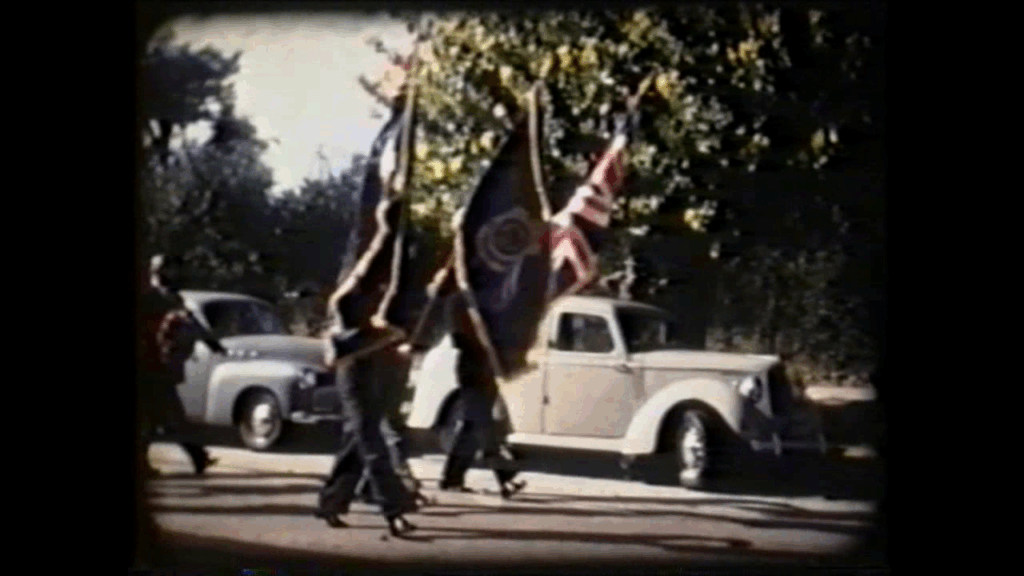
Dedicated as a War Memorial and opened by the Governor of NSW, Lieutenant General Sir Eric Woodward.
Rose Bay RSL sub-Branch History
The history of the Rose Bay RSL sub-Branch is closely tied to the development of Lyne Park and the broader Rose Bay community. What began as reclaimed foreshore land has evolved into a place of remembrance, service, and community connection for more than a century.
Early Foundations (1902-1930s)
In 1902, tidal sand flats at Rose Bay were reclaimed to create what is now Lyne Park, dedicated as public Crown land. Just a few years later, in 1905, part of the eastern section of the reserve was set aside as a recreation oval for the Royal Australian Navy.
Following the First World War, in 1919, the Rose Bay RSL sub-Branch was formed by a group of returned servicemen. Early meetings were held in various local venues, including the Peace Memorial Hall, built that same year beside St Andrew’s Scots Church on the corner of Dover and Carlisle Streets.
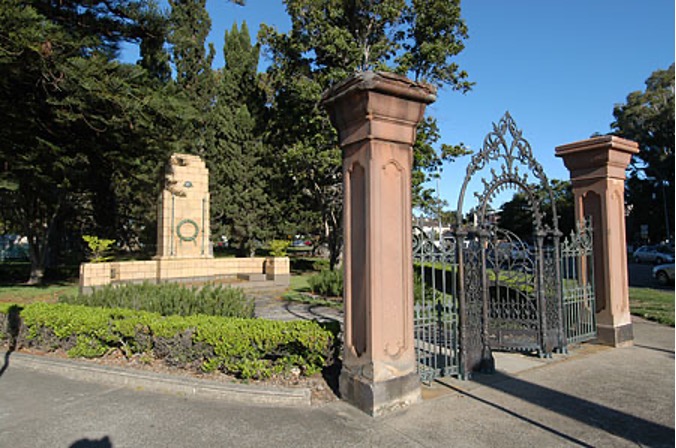
By the mid-1930s, the area had taken on an important commemorative role. The south-west corner of Lyne Park was re-dedicated as a war memorial site in 1934, and the Rose Bay War Memorial was officially unveiled on 21 April 1935.
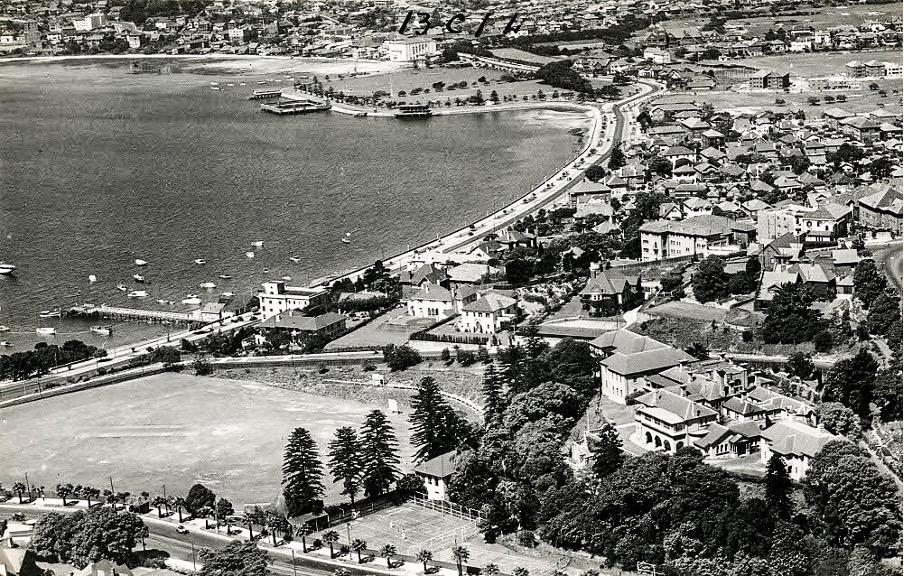
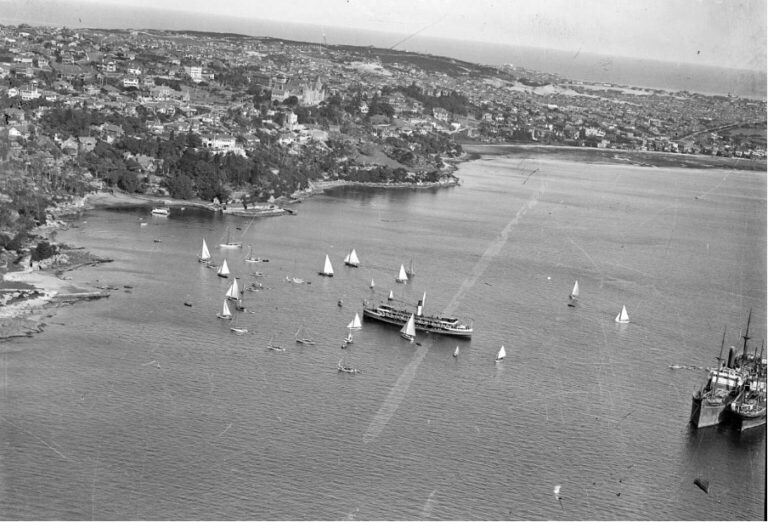
Top Left – Rose Bay 1920
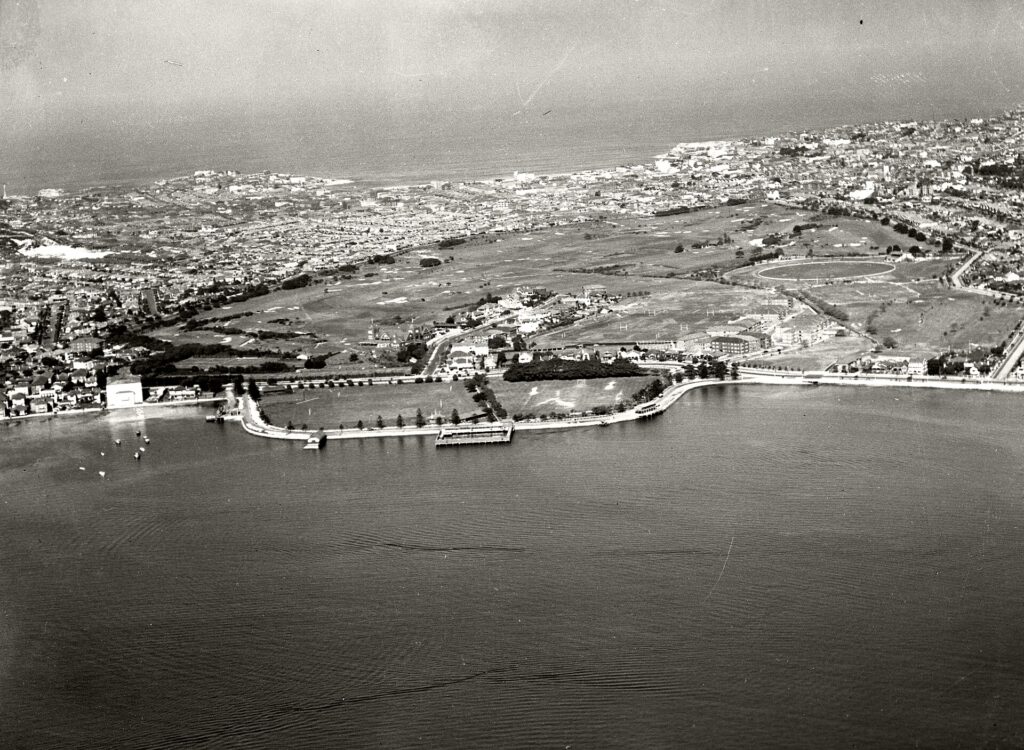
Top Right – Rose Bay 1390
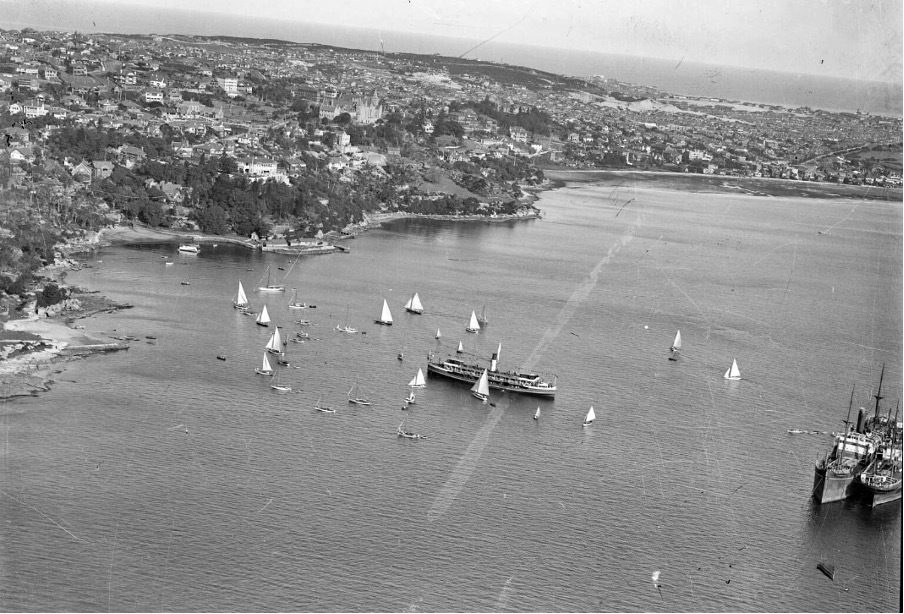
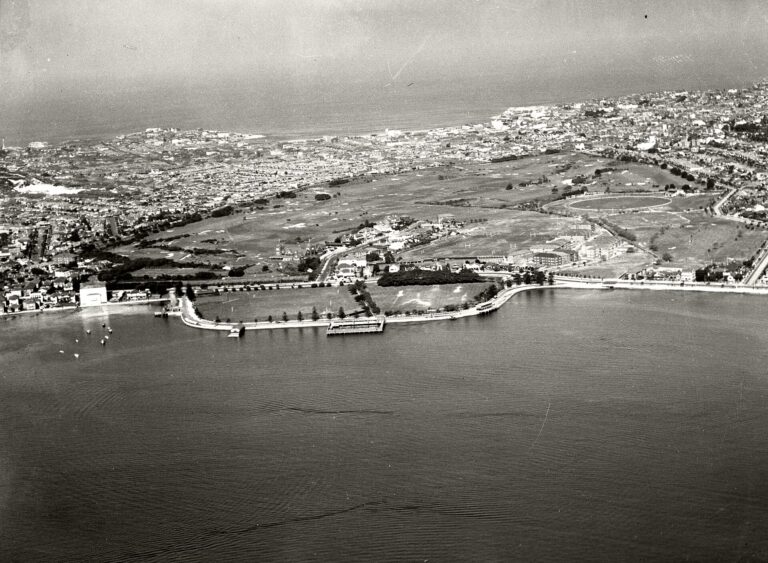
Bottom Left – Rose Bay 1945
Bottom Right – Rose Bay War Memorial. Located in the southwest corner of Lyne Part was re-dedicated from public recreation to be used as Rose Bay War Memorial in August 1934 and the Rose Bay War Memorial was unveiled and dedicated on 21 April 1935.
Establishment of a Permanent Home (1937-1950s)
In 1937, Kent Hall was donated to the RSL for sub-Branch purposes by the Navy, marking an important step toward establishing a permanent home. By 1939, following renovations, the building was in active use by the sub-Branch.
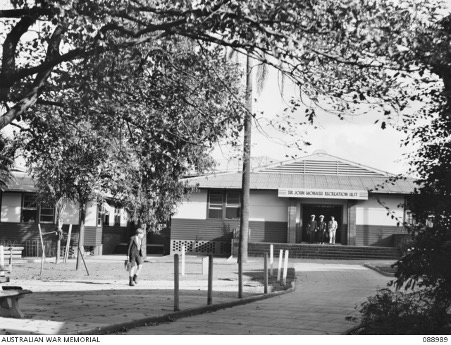
Following the Second World War, additional facilities were established to support returned servicemen and the growing activities of the sub-Branch. The Sir John Monash Recreation Hut was relocated from Hyde Park to Rose Bay, where it served as an auxiliary hall alongside Kent Hall. The naming of Monash Hall is understood to be linked to this earlier structure.
Development of the War Memorial (1950s-1960s)
In the post-war period, the sub-Branch continued to grow, and the need for a purpose-built facility became clear.
A major milestone came in 1959, when the original buildings were replaced with the current brick structure. This building — known as the Rose Bay RSL War Memorial — was established on Crown Land reserved specifically for war memorial purposes and serves as the permanent home of the sub-Branch.
The War Memorial building includes Monash Hall and provides a dedicated space for commemoration, member activities, and community gatherings. It was officially opened in 1959 by the Governor of New South Wales, Lieutenant General Sir Eric Woodward.
Left – 18-04-1945. Sydney, NSW. The Entrance to the Sir John Monash Recreation Hut at the ANZAC Buffet.
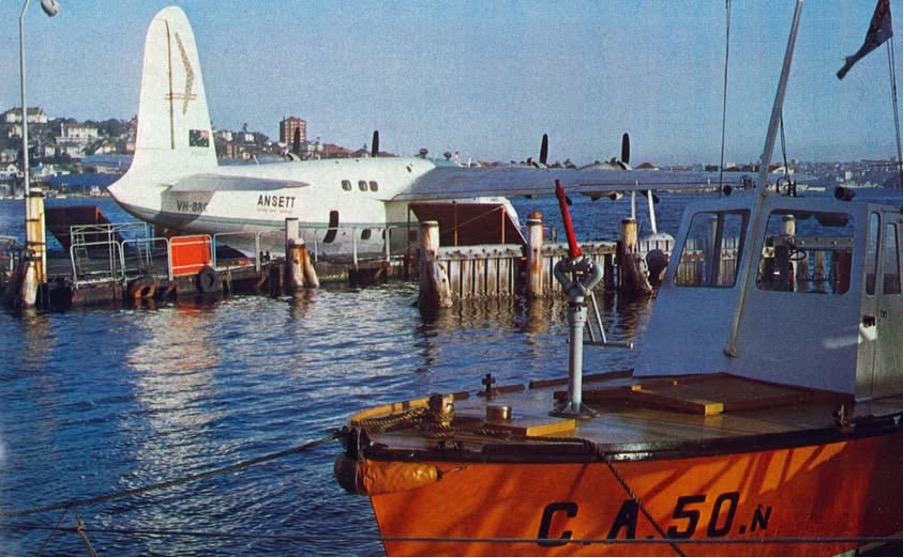
Right – Circa 1960. Flying Boats.
Continuing Research and Legacy
Some elements of the sub-Branch’s history remain the subject of ongoing research, including the exact origins of Kent Hall, early naming conventions, and key milestones.
What remains clear, however, is the enduring purpose of the Rose Bay RSL sub-Branch: to honour service, support veterans and their families, and foster a strong sense of camaraderie. From its beginnings in the aftermath of World War I to its role today, the sub-Branch stands as a custodian of local history and national remembrance.